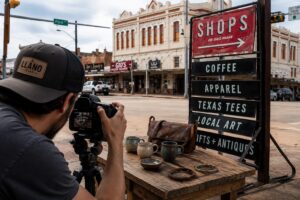


Ask any professional what separates a smooth, productive video shoot from a stressful, over-budget one, and the answer is almost always the same: planning. The shoot day gets all the attention, but the work that determines whether it succeeds happens long before anyone turns on a camera. A well-planned video shoot runs on schedule, captures everything it needs, and produces footage that actually serves its purpose. A poorly planned one burns hours, money, and goodwill figuring things out on the fly.
My name is Jacob Aston, and I lead video at Cen-Tex Marketing. Over hundreds of productions, I have learned that the difference is a repeatable process. In this guide I will walk you through exactly how to plan a video shoot, step by step, so your next production is efficient, calm, and effective, whether you are filming a single testimonial or a full brand video.
Why Planning a Video Shoot Matters
The single biggest driver of cost and quality in video is preparation. Every hour of a shoot day is expensive, so a video shoot that is fully planned wastes none of them, while an unplanned one loses time to decisions that should have been made in advance. Planning is also what protects quality: a clear plan means you leave with every shot you need instead of discovering a gap in the edit, when it is too late and costly to fix.
Good planning also lowers stress for everyone involved, especially the people on camera. When your talent knows what to expect and your crew knows the plan, the whole day feels calm and professional, and that ease shows up in the footage. The effort you put into planning a video shoot pays for itself many times over in time saved and quality gained.
Step 1: Define the Goal of the Video
Before anything else, get crystal clear on what this video needs to accomplish. Is it building trust, explaining a service, driving sales, or recruiting talent? A video shoot without a defined goal produces footage that looks fine but does not move anyone to act. The goal shapes every decision that follows, from the script to the location to the way you frame each shot.
Write the goal down in a single sentence and keep it visible throughout planning. If a creative idea does not serve that goal, it gets cut. This discipline is what keeps a shoot focused and prevents the expensive drift that happens when a production tries to do everything at once.
Step 2: Know Your Audience and Platform
Who is this video for, and where will they watch it? A video destined for a homepage is planned differently than a vertical clip for Reels or a detailed explainer for a service page. Knowing the audience and platform before your video shoot tells you the right length, tone, framing, and pacing, so you capture footage that fits its destination instead of forcing it later.
This is also the moment to plan for multiple outputs. If you know you will need a long version for your site and short vertical cuts for social, you can frame and shoot with both in mind, capturing everything in one session rather than reshooting for each platform.
Step 3: Write the Script or Outline
Even a simple video benefits from a script or a clear outline. Scripting forces you to decide exactly what will be said and shown, which prevents rambling on camera and endless takes. For interview-style videos, an outline of questions and key points keeps the conversation on track while still sounding natural. Either way, going into a video shoot with words on paper saves enormous time.
Keep the script tight and conversational. Read it aloud to catch anything that sounds stiff, and trim ruthlessly, because video rewards brevity. A focused message delivered clearly will always outperform a longer one that wanders, and a good script is the foundation of that focus.
Step 4: Build a Shot List
A shot list is the practical backbone of any video shoot. It is a simple document listing every shot you need to capture, from the main interview or action to the supporting b-roll that makes the final edit feel polished. With a shot list in hand, your crew works efficiently and nothing gets forgotten in the moment, which is exactly when things get forgotten.
Include the b-roll early, because it is the first thing to get skipped when a day runs long, and the first thing you miss in the edit. Thinking through your shot list in advance is one of the clearest signs of a professional video production process, and it is what keeps a shoot on schedule.
Step 5: Scout the Location
Where you film has an enormous impact on how a video looks and sounds. Scout your location before the video shoot to check the lighting at the time of day you plan to film, listen for noise that could ruin your audio, and confirm you have the space and power you need. A location that looks fine to the eye can hide problems a camera and microphone will expose.
If you cannot scout in person, gather photos and details in advance and plan a buffer for setup. Knowing the space ahead of time lets you position your talent, lighting, and camera intentionally rather than improvising, which keeps the day moving and the footage consistent.
Step 6: Plan Your Gear and Crew
Match your equipment and crew to the video shoot, not the other way around. A simple talking-head video needs far less than a multi-location brand film, and over-gearing wastes money while under-gearing costs quality. Make a checklist of cameras, lenses, lighting, audio, and support gear, and confirm everything is charged, formatted, and packed the night before.
Audio deserves special attention, because poor sound ruins otherwise great footage faster than anything. Plan for proper microphones and a quiet environment. Capturing professional stills at the same time with strong photography is also worth planning for, since it is far cheaper than a separate shoot.
Step 7: Schedule the Shoot Day
Build a realistic schedule for the day, and then add buffer. Setup always takes longer than expected, talent needs time to get comfortable, and good footage cannot be rushed. Block time for each scene on your shot list, group shots by location and setup to minimize resets, and leave margin so a small delay does not cascade into a lost afternoon.
Batching is the secret to an efficient video shoot. If you are filming several videos, plan them into one well-organized day so the fixed cost of setup is spread across everything you capture. One focused day can produce a brand video, testimonials, and weeks of short clips when it is scheduled well.
Step 8: Prepare Your Talent
Whether your talent is a professional, an employee, or the business owner, preparation makes them shine. Share the plan in advance, let them know what to wear and what will be asked, and give them the key points rather than a rigid script to memorize. People perform best when they feel ready, and a comfortable subject is the difference between wooden footage and a genuine one.
On the day, take a few minutes to help them relax before rolling. A short conversation, a reminder that mistakes are fine and easily edited out, and a calm set all help. The best moments in a video shoot usually come once the person forgets the camera is there, and good preparation is what gets them to that point.
A Simple Video Shoot Planning Checklist
To pull it all together, here is the quick version. Before any video shoot, confirm you have defined the goal, identified the audience and platform, written the script or outline, built a shot list including b-roll, scouted the location, planned gear and crew with special care for audio, scheduled the day with buffer, and prepared your talent. If each of those is checked, you are set up for a smooth production.
Keep this checklist handy and run through it every time. The professionals who make shoots look effortless are simply the ones who never skip these steps. Consistency in planning is what turns a video shoot from a gamble into a reliable, repeatable process that produces great results on schedule.
Common Video Shoot Planning Mistakes
The most common mistake is skipping pre-production to save time, which almost always costs more time on the day. The second is ignoring audio until it is too late; great visuals with bad sound still look amateur. The third is forgetting b-roll, which leaves editors without the supporting footage that makes a video feel finished.
Another frequent misstep is an unrealistic schedule with no buffer, so one small delay derails the whole day. And finally, sending talent into a video shoot cold, with no preparation, produces stiff, uncomfortable footage. Every one of these is easy to avoid with the planning steps above, which is exactly why the planning is worth the effort.
How We Plan Video Shoots at Cen-Tex
When we plan a video shoot for a client, the process starts with strategy long before a shoot date is set. We define the goal, map every video the client needs, and design one or two efficient production days to capture it all. By the time the crew arrives, there is a shot list, a schedule, and a clear plan, so the day runs smoothly and nothing is left to chance.
That preparation is also why our clients get more for their budget. A well-planned video shoot produces a brand video, several testimonials, and a batch of short social clips in the same day, turning one production into weeks of content. The planning is invisible in the final video, but it is the reason the final video works.
The Bottom Line on Planning a Video Shoot
A great video is made twice: once in the planning and once on the shoot day. Nail the planning, and the shoot becomes the easy part. Define your goal, know your audience, script it, build a shot list, scout the location, plan your gear, schedule with buffer, and prepare your talent, and your video shoot will run like a professional production because that is exactly what it will be.
If planning all of that sounds like more than you want to take on, that is what my team is here for. We handle the entire process so you get professional video without the stress of running a production yourself, and the result is footage that actually accomplishes what you set out to do.
How to Adapt Your Plan for Different Video Types
The eight steps stay the same, but the emphasis shifts with the type of video. For a testimonial video shoot, most of your planning goes into choosing the right customer and making them comfortable, since the words matter more than elaborate visuals. For a product demo, the shot list and lighting carry the weight, because the audience needs to see the detail clearly and up close.
For a brand film, every step matters equally, and scouting and scheduling become critical because you are often juggling multiple locations and setups in one day. For short social clips you can lighten the process, but never skip the goal and the shot list, because even a fifteen-second video needs a point. Matching the depth of your planning to the video keeps you from over-preparing simple shoots and under-preparing important ones.
The habit to build is asking, before every video shoot, which steps matter most this time. That quick judgment call keeps your process efficient and ensures your energy goes where it will make the biggest difference in the final result.
Turning One Video Shoot Into a Month of Content
The most valuable planning skill is thinking beyond a single deliverable. Because the expensive part of any video shoot is the setup, crew, and time, the smartest plans capture far more than one video in a single visit. With a little foresight, one day of filming can yield a brand video, several testimonials, an explainer, and a batch of short vertical clips for social.
The way to do this is to plan the whole content set before the shoot, not after. Build one master shot list that covers every video you want, group the shots efficiently, and brief your talent on everything you will capture. This turns a single video shoot into weeks of content and dramatically lowers your cost per finished video.
This is exactly how consistent, affordable video programs are built. Rather than scrambling for something to post each week, you film in focused batches and let one well-planned day feed your channels for a month. Planning for reuse is the difference between video that feels like a chore and video that runs like a reliable system.
Why Pre-Production Is Worth the Effort
If there is one principle worth internalizing, it is that pre-production is where video is won. Seasoned professionals will tell you the same thing, and the data backs it up: the large majority of businesses that report strong returns from video, as tracked by Wyzowl, are the ones treating production as a deliberate process rather than an afterthought. Planning is not bureaucracy; it is the highest-leverage part of making a video that actually works.
A well-planned video shoot also compounds in a way improvised ones never do. Each production teaches you what works, sharpens your process, and makes the next one faster and better. Over time, planning stops feeling like extra work and becomes the quiet engine behind a video program that consistently delivers, on schedule and on budget.
So resist the urge to skip ahead to the fun part. The camera is where the magic seems to happen, but the plan is what makes the magic possible. Give your video shoot the preparation it deserves, and everything downstream, from the shoot day to the final edit, becomes dramatically easier and more reliable.
Frequently Asked Questions About Planning a Video Shoot
How far in advance should I plan a video shoot?
Give yourself at least one to two weeks for a simple video and more for a complex one. That leaves time to define the goal, write the script, build a shot list, scout the location, and prepare your talent. Rushing the planning is the surest way to lose time and money on the shoot day itself.
What should a video shoot plan include?
A complete plan covers the goal, the audience and platform, a script or outline, a shot list including b-roll, a scouted location, a gear and crew list with attention to audio, a realistic schedule with buffer, and prepared talent. If each of those is handled before the day, the video shoot will run smoothly.
What is a shot list and why does it matter?
A shot list is a simple document of every shot you need to capture, from the main footage to supporting b-roll. It keeps the crew efficient and ensures nothing is forgotten in the moment. Without one, it is easy to leave a shoot missing footage you only discover you need once you are editing.
How long does a typical video shoot take?
It depends on scope. A single testimonial might take an hour or two, while a full brand video with multiple setups can fill a day. The key is a realistic schedule with buffer built in, since setup and getting talent comfortable always take longer than expected. Batching several videos into one day is the most efficient approach.
Can I plan and run a video shoot myself?
You can, especially for simple videos, if you follow a clear process: define the goal, script it, build a shot list, and prepare your talent. For higher-stakes videos, working with a professional team removes the stress and ensures the footage is right the first time, which usually saves money over reshooting.