



How to Choose the Right Real Estate Photographer for Your Central Texas Listings
I have an odd spot in this business. Most days I’m working as an agent at Magnolia Realty Temple/Belton, walking buyers through their first house, negotiating a listing, and sweating a closing that’s about to fall apart over a survey.
But for more than eight years I’ve also worked as a real estate photographer here in Central Texas. I show up to empty houses at 8 in the morning with a tripod, a wide-angle lens, and a drone in the truck, all to make the place look like the best version of itself before a single buyer ever drives by.
Living on both sides has taught me things most agents never get to see. I know what a listing needs from its media to sell, and I know exactly how that media gets made, including the corners some people cut.
I’ve watched good photos move homes, mine and plenty of other agents’, and I’ve watched sloppy ones quietly cost sellers real money and weeks on the market. So when another agent asks me how to hire a real estate photographer worth keeping around, I don’t tell them to “find someone good.” I hand them the real checklist. That’s what this is.
Why hiring the right real estate photographer matters
Your photos are your first showing. Around 96% of buyers start their search online, and when they land on your listing they aren’t reading your remarks. They’re looking at pictures. The description you spent an hour writing is barely a footnote next to the images.
And the money follows the pictures. Redfin’s research has found that professionally photographed homes tend to sell about a third faster. They can also bring anywhere from roughly $3,400 to $11,200 more, depending on the price point, and they pull far more online views than amateur ones.
Zillow’s data shows that homes with fewer than nine photos are noticeably less likely to sell inside 60 days, and that the sweet spot sits around 22 to 27 good images. Add a walkthrough video and the inquiries climb. Add a 3D tour and they climb again, yet fewer than a quarter of listings bother to use one.
So here’s my one big point. Media isn’t a cost to shave down. It’s leverage. The difference between average photos and excellent ones shows up in dollars and in days on market.
That makes the real estate photographer you hire one of the more important people in your business. Cut the wrong corner and you aren’t saving money. You’re paying for a slower sale out of your seller’s pocket.
You’re not buying photos. You’re buying a first impression you only get once.
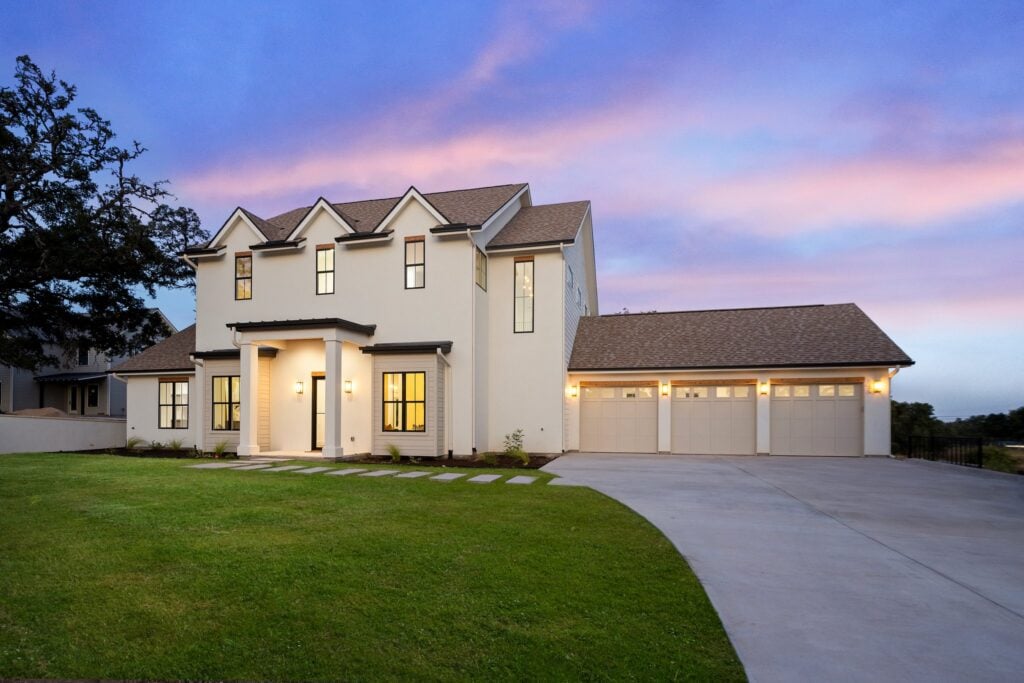
When you hire a media pro, you aren’t really buying a folder of files. You’re buying the first thing every buyer feels about the home. Good real estate photography doesn’t just record what a house looks like. It makes someone want to stand in it.
When a buyer scrolls past a listing, they’re quietly asking what it would feel like to live there. The photos either answer that or they don’t. People call it the HGTV effect, and buyers expect it now. Bright, clean, warm, magazine-ready.
When they don’t get it, when they hit dark rooms, tilted walls, that fun-house wide-angle look, or a phone snapshot of a bathroom with the lid up, they don’t complain. They just keep scrolling, and you never know they were there. That’s why the person behind the camera has to understand a little marketing and a little psychology, not just f-stops.
What a great real estate photographer delivers, format by format
“Media” covers a lot more ground than it used to. Back when I started it meant stills. Now a strong listing package can include photography, video, aerial, a 3D tour, and a floor plan. Knowing what good looks like in each one is how you avoid paying for fluff or skimping on the stuff that moves a buyer.
Photography: the real estate photographer’s foundation
Everything else supports the stills. If the photos aren’t strong, nothing rescues the listing. What separates a real pro from someone with a nice camera is consistency and control of light.
Look at the rooms with big bright windows. Can you see both the room and the backyard through the glass at the same time? Pulling that off takes flash work or careful bracketing, not luck.
Then check for straight walls, natural color, and framing that shows how a room connects to the next one. The sky should look like a sky, and the grass should look alive without glowing radioactive green. Above all, the whole set should feel like one person shot it on one day with one eye. When a gallery is all over the place, that’s your amateur tell.
Video, the fastest-growing piece
If you ask me where the biggest edge is right now, it’s video. Listings with it draw a lot more inquiries, and here’s what plenty of agents miss: it isn’t one video anymore.
There’s the polished walkthrough that lives on the MLS and the property site, and then there’s the vertical, fifteen-second cut built for Instagram Reels, TikTok, and Facebook. You can’t share a 3D tour on social, but a quick clip of afternoon light spilling across a kitchen island can travel a long way.
When you’re judging someone’s video, watch for smooth, stable motion instead of jerky handheld, a sense of pacing, and a little story from the front door through the best rooms and back out. If their “video” is really just their photos in a slideshow with music over it, that isn’t video.
Drone and aerial, plus the license question you have to ask
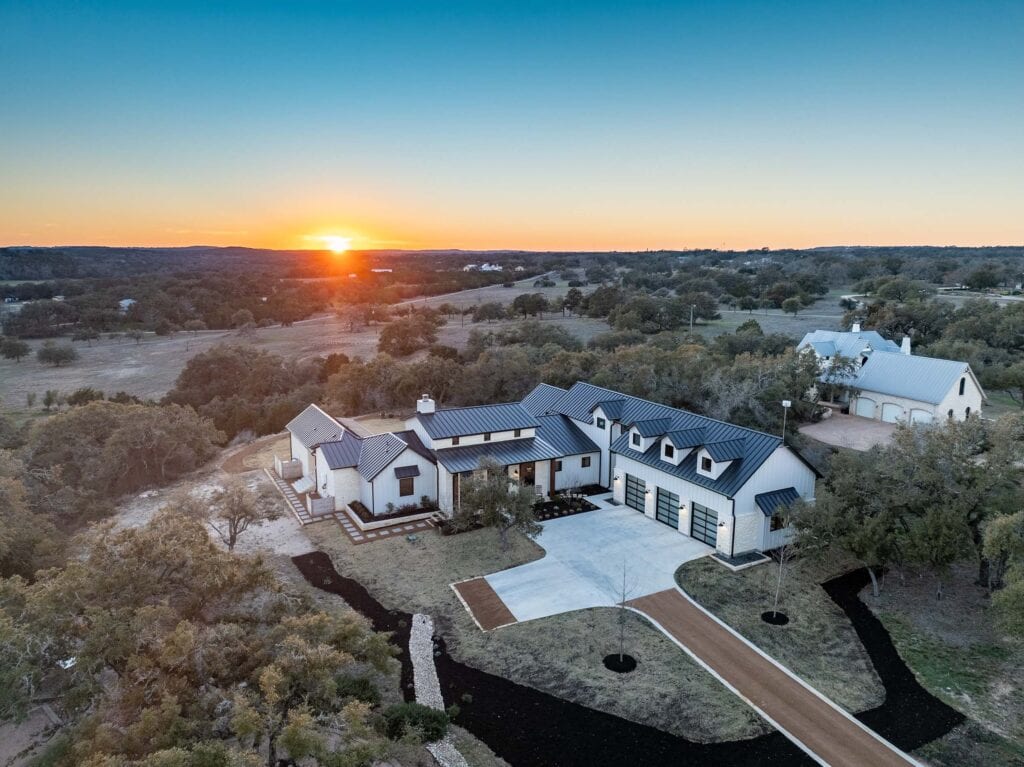
Aerial is where context lives. It shows the lot size, how close the house sits to the lake or the golf course, the acreage, and the neighborhood, all the things a camera at eye level can’t capture.
For a lot of Central Texas properties, especially anything with land or a view, drone footage isn’t a nice-to-have. It’s the whole pitch. Roughly half of agents use it now, so it’s becoming something buyers expect rather than something that sets you apart.
This is the one place I’ll push you, because it’s a liability issue and not just a quality one. Anyone flying a drone to market your listing legally has to hold an FAA Part 107 Remote Pilot Certificate. Real estate work is commercial work, and there’s no hobbyist loophole when the flight is helping sell a house.
If your drone guy can’t rattle off that he’s Part 107 certified, you’ve got someone flying illegally over your seller’s property, and if anything goes wrong you do not want your name near it. Ask the question. A good real estate photographer answers it in about two seconds and probably respects you for knowing to ask.
3D tours, great for closing the deal, not for finding buyers
Immersive tours like Matterport are terrific at one job: letting a genuinely interested buyer walk the whole house at midnight in their pajamas. They see strong engagement and more serious inquiries, and Matterport’s own numbers tie them to higher average sale prices.
Just know what they’re for. A 3D tour turns interested people into showings. It doesn’t create interest from a cold scroll the way a great hero shot or a reel does. So they’re worth it, especially on higher-end homes or for out-of-town buyers, but they don’t replace strong photos and video.
Floor plans, the quiet workhorse
Floor plans are the most underrated thing on this whole list. Buyers rank them among the most useful parts of a listing because they answer what photos can’t: how does the house flow, and will my furniture fit?
A clean, labeled, dimensioned floor plan cuts down on the tire-kicker traffic and raises the quality of the showings you do get, because people arrive already understanding the layout. A lot of photographers capture the floor plan automatically while they scan for the 3D tour, so it’s often a small add-on for a real payoff.
Virtual staging and AI
Done honestly, virtual staging is one of the best returns you can get. Empty rooms are hard for buyers to picture themselves in, and tasteful digital furniture can meaningfully shorten time on market. The rules aren’t complicated. It has to be disclosed, it has to look real, and it can never change a permanent feature to hide something.
AI tools have made decluttering, sky swaps, and object removal faster and cheaper, and any modern real estate photographer should be using them. But those same tools make it easy to slide into dishonesty. Cleaning up a stray power line is fine. Erasing a crack in the foundation is fraud. A pro you can trust knows the difference.
The real estate photographer hiring checklist
Here’s the heart of it. When you’re sizing up a real estate photographer to shoot your listings, this is what I’d look at, roughly in this order:
- Consistency, not just the highlight reel. Anyone can show you their five best shots. Ask to see a full gallery from one recent shoot, ideally a home close to your price range and style. You want to know whether every room is strong, not just the money shot.
- Light and windows. Look hard at the rooms with bright windows. Can you see both the interior and what’s outside at once? That one detail sorts the pros from the point-and-shooters faster than anything else.
- Turnaround, in writing. Speed is money in our market. Next-business-day delivery should be the standard on a normal listing. Ask what their guaranteed turnaround is and what happens if they blow it.
- Licensing and insurance. Part 107 for any drone work, and liability coverage for being on your clients’ property. Both protect you.
- Files you can actually use. They should hand you images sized and oriented for your MLS, plus a set ready for social. If you’re stuck resizing their files yourself, they’re making your job harder.
- Reliability. This is the one agents undervalue and end up regretting. Give me a very good real estate photographer who is dead reliable over a brilliant one who’s a coin flip, every time.
- Clear pricing. You want packages and add-on prices you can actually read, not a quote that changes every time you call. It tells you they run a real business and that you can budget around them.
- An eye, not just gear. Cameras don’t take good photos, photographers do. Someone with a modest kit and real instinct will beat someone with fifteen grand of equipment and no taste. Judge the pictures, not the gear list.
Red flags and the mistakes I see most
Since I’ve worked both sides, let me save you some grief. These are the ones that go wrong again and again.
Hiring on price alone. I get the temptation, especially on a cheaper listing where the commission math is tight. But the lowest bid is almost never the best value. A slow sale costs you far more in days on market, price cuts, and a nervous seller than you ever saved on the photos.
Not shooting enough. Skimping on the photo count, or skipping the drone on a property where the land is the whole story. Match the media to what the home is really selling. A ranch outside Salado needs aerial. A downtown Temple condo might not.
Editing past the point of honest. Skies so blue they look fake, grass so green it hums, wide angles so extreme a normal bedroom looks like a ballroom. Buyers feel cheated the second they walk in, and that letdown sinks the showing before it starts.
Expecting a photo to save a messy house. No real estate photographer can fully rescue a cluttered or dirty home, and the good ones will tell you so, gently. Prep is a shared job. The best results come from an agent who preps the house and a pro who lights it well.
Forgetting where buyers actually look. Most of them are on a phone, and a lot of the discovery now happens on social feeds. If your media only works on a desktop MLS page and can’t be cut into something shareable, you’re missing people where they spend their time.
Why a local Central Texas real estate photographer is worth it
One last thing that doesn’t show up on any checklist. A real estate photographer who actually works Central Texas knows things an out-of-town shooter never will.
They know the light. They know that a west-facing Belton back porch glows at 7 p.m. in July and looks flat at noon. They know which Temple and Salado neighborhoods photograph better from the air, which HOAs get twitchy about a drone overhead, and exactly how our MLS wants images sized and delivered.
That local read saves you reshoots and awkward rescheduling. It also means the person shooting your listing understands the buyers we actually get here, from Fort Hood families to Austin move-ups hunting more house for the money. When you hire a Central Texas real estate photographer who lives in this market, you’re not just buying pictures. You’re buying judgment about how homes sell here.
Questions to ask before you book anyone
If you want a shortcut, walk in with these. The answers, and how easily they come, tell you most of what you need to know:
- Can I see a full gallery from a recent shoot in my price range, not just your favorites?
- What’s your guaranteed turnaround, and what’s your policy if you miss it?
- Are you Part 107 certified, and are you insured to work on my clients’ property?
- What’s in your standard package, and what do the add-ons cost?
- Do you deliver both MLS-ready and social-ready files?
- How do you handle a reshoot if something isn’t right?
- What do you need me or my seller to do to prep the house for the best result?
That last one is my favorite. The pros light up, because it tells them you see this as a team effort. The order-takers go quiet, because they’ve never thought past the shutter.
Bottom line
After eight-plus years of shooting listings and a career of selling them, here’s where I’ve landed. Good real estate media isn’t an expense you put up with. It’s the highest-leverage marketing money you spend, because it reaches every buyer before you ever do.
Judge the real estate photographer you hire on consistency, reliability, and honesty, and on whether their pictures make people feel something about a home. Not on their gear, and not on their rate card. Find that person, treat them like the partner they are, and your listings will show better, sell faster, and bring more. Buyers fall for homes online now. Make sure yours are worth falling for.
Tim Kennedy is a REALTOR® with Magnolia Realty Temple/Belton and a Central Texas real estate photographer with more than eight years behind the camera. Having built a career on both the marketing and the selling sides of a deal, he brings a rare dual perspective on what listing media can and can’t do to move a home.